

The Healing Power of Herbs: A Beginner’s Guide to Herbal Medicine
In an age where wellness trends come and go, the quiet, consistent wisdom of herbal medicine continues to thrive. Rooted in centuries of tradition and backed by modern research, herbs offer a natural, accessible way to support your body, mind, and spirit. Whether you’re seeking better digestion, restful sleep, or an immune system boost, there’s likely a herb that can help. In this guide, we’ll explore the basics of herbal medicine, including its benefits, beginner-friendly herbs, and tips for getting started safely.
What is Herbal Medicine?
Herbal medicine is the practice of using plants—leaves, roots, flowers, bark, and seeds—for their therapeutic properties. Cultures around the world have used herbs for thousands of years to treat ailments, support the body’s natural healing processes, and maintain balance. Today, herbal remedies are gaining popularity as people seek more natural, holistic approaches to health.
Unlike synthetic pharmaceuticals, herbs tend to work gently and gradually, often supporting the body as a whole rather than targeting a single symptom.
Benefits of Using Herbs for Health
Herbs are more than just flavor enhancers—they are powerful allies for wellness. Here are some common benefits:
- Immune Support: Herbs like echinacea, elderberry, and garlic are known to strengthen immune defenses.
- Digestive Aid: Peppermint, ginger, fennel, and chamomile can soothe an upset stomach and improve digestion.
- Stress Relief: Lavender, lemon balm, and ashwagandha can calm the nervous system and ease anxiety.
- Sleep Support: Valerian root and passionflower are gentle sedatives that promote restful sleep.
- Anti-inflammatory: Turmeric and boswellia may help reduce inflammation and relieve joint pain.
Common Beginner-Friendly Herbs
If you’re new to herbal medicine, start with a few safe, well-known herbs that are easy to use:
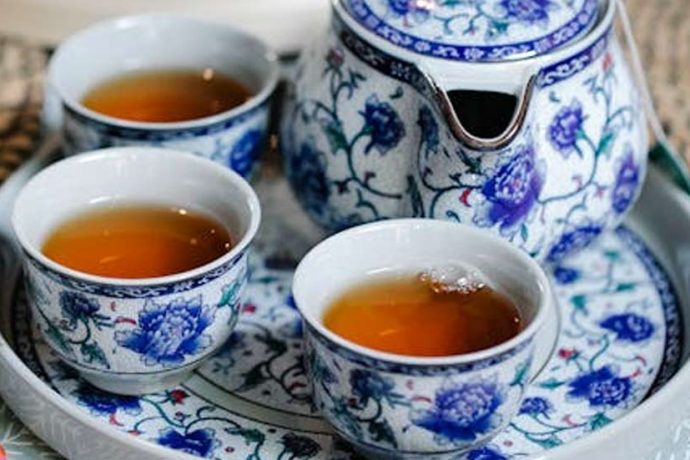
- Chamomile – Soothes digestion and promotes relaxation. Often taken as a calming tea.
- Peppermint – Eases bloating and digestive discomfort. Great as a tea or infused oil.
- Ginger – A powerful anti-inflammatory that supports digestion and relieves nausea.
- Rooibos – Caffeine-free and packed with antioxidants, this South African tea supports heart health and skin.
- Lavender – Calming and aromatic; great for sleep, anxiety, and skincare.
How to Use Herbs Safely
Herbs are powerful, and like any remedy, they should be used with care:
- Start slow: Introduce one herb at a time to monitor your body’s response.
- Be aware of allergies: If you’re sensitive to pollens or certain plants, start with teas or topical applications before internal use.
- Check interactions: If you’re taking medications, consult a healthcare provider before using herbs.
- Use the right form: Teas, tinctures, capsules, and essential oils vary in strength and absorption—follow dosage guidelines.
Building Your First Herbal Kit
Creating a home herbal toolkit can empower you to address everyday issues naturally. Here’s a basic starter kit:
- Chamomile flowers – for sleep and digestive upset
- Peppermint leaves – for colds and indigestion
- Ginger root – for immunity and inflammation
- Turmeric powder – anti-inflammatory powerhouse
- Lavender buds or oil – calming and antimicrobial
- Echinacea – immune-boosting, especially during cold season
Where to Source Quality Herbs
Not all herbs are created equal. To ensure safety and potency:
- Buy from trusted herbal suppliers who prioritize organic, non-GMO products.
- Choose herbs that are clearly labeled with Latin names and expiration dates.
- Avoid overly processed herbs—opt for whole or minimally processed forms when possible.
- Support local growers and herbalists when available.
If you’re buying from Health By Herbs, rest assured you’re getting premium herbs selected for both quality and tradition.
Final Thoughts
Herbal medicine invites us to slow down, connect with nature, and listen to our bodies. Starting your herbal journey doesn’t require a degree or a lab—just curiosity, respect for the plants, and a willingness to learn. With a few basic herbs and some guidance, you can begin creating a more natural, empowered approach to your wellness.
Whether it’s brewing a soothing cup of tea or blending your own spice mix for health, herbs offer a path to healing that is simple, beautiful, and deeply rooted in the wisdom of the earth.






Leave a comment