
Allergy Season Support: Herbs to Ease Spring Symptoms
As spring unfolds across South Africa, many of us are met with the less pleasant side of the season—sneezing, itchy eyes, nasal congestion, and general allergy fatigue. While the blooming flowers and warmer air are a gift to the senses, they can also trigger allergic responses, especially in sensitive individuals. Fortunately, nature provides gentle allies in the form of herbs that support the immune system and ease seasonal allergy symptoms—without harsh side effects.
Understanding Spring Allergies
Spring allergies are often caused by an overreaction of the immune system to pollen and other airborne allergens. The body releases histamines, leading to symptoms like sneezing, runny nose, sinus congestion, and watery eyes. Managing inflammation and calming the immune system are key to finding relief—and that’s where herbs can help.
1. Stinging Nettle – The Natural Antihistamine
Stinging nettle (Urtica dioica) is one of the most effective herbs for managing hay fever and allergic rhinitis. It naturally inhibits the body’s histamine response, helping to reduce sneezing and itching. Best taken as a tea, capsule, or tincture, nettle works best when started early in the season and taken consistently.
2. Eyebright – For Itchy Eyes and Sinus Relief
Eyebright (Euphrasia officinalis) is aptly named—this herb is excellent for relieving red, itchy, and watery eyes. It also supports sinus health and reduces inflammation of the upper respiratory tract. Eyebright is often used in herbal teas or tinctures specifically formulated for eye and sinus discomfort.
3. Butterbur – Nature’s Allergy Blocker
Butterbur (Petasites hybridus) has shown in studies to be just as effective as over-the-counter antihistamines, but without the drowsiness. It helps reduce nasal inflammation, sinus pressure, and general allergy symptoms. Look for PA-free (pyrrolizidine alkaloid-free) butterbur extracts for safety.
4. Licorice Root – Soothing and Anti-inflammatory
Licorice root (Glycyrrhiza glabra) supports the body during allergy season by soothing inflamed tissues and acting as a mild expectorant. It also supports adrenal health, helping your body better cope with stress, which can worsen allergy symptoms. Note: Not recommended for those with high blood pressure unless used under supervision.
5. Local Raw Honey – Nature’s Gradual Desensitizer
Although not an herb, local raw honey may help reduce pollen sensitivity over time. The idea is that small, repeated exposure to local pollens through honey might train your immune system to respond less aggressively. Take a spoonful daily, starting a month or two before peak allergy season.
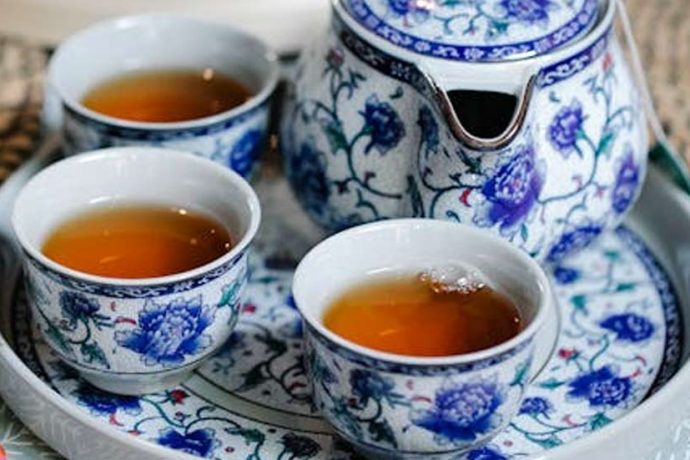
Herbal Tea Blend for Allergy Relief
- 1 tsp dried stinging nettle
- ½ tsp dried eyebright
- ½ tsp dried licorice root
Steep in freshly boiled water for 10–15 minutes, strain, and sip 2–3 times a day during allergy season.
Additional Tips for Allergy Support
- Rinse nasal passages: Use a saline rinse or neti pot to clear allergens.
- Stay indoors on high pollen days: Especially in the early morning or on windy days.
- Wash bedding frequently: Pollen can collect in linens and clothing.
- Support immunity: Keep your immune system balanced with a healthy diet and rest.
Conclusion
Spring doesn’t have to mean suffering from seasonal allergies. Herbal remedies offer a gentle, effective way to manage your symptoms and enjoy the vibrant energy of the season. Whether through herbal teas, tinctures, or daily tonics, these plant-based allies help calm your immune response and reduce inflammation—allowing you to breathe easier and thrive this spring.
Explore allergy-relief herbs now at Health By Herbs and breathe in spring with confidence!







Leave a comment