
From Seed to Remedy: How Herbs Are Grown, Harvested, and Used
Herbal remedies have long been valued for their natural healing powers, but have you ever wondered how those herbs go from tiny seeds to the dried blends in your kitchen or health cabinet? Understanding the journey of herbs—from cultivation to application—not only deepens appreciation but also helps you choose better, more effective natural products. Let’s take a closer look at how herbs are grown, harvested, and used for wellness today.
Choosing the Right Seeds
It all starts with the seed. Heirloom and organic seeds are often preferred for medicinal herbs, as they are free from genetic modification and better preserve the plant’s full healing potential. Popular herbs like basil, chamomile, lavender, and echinacea begin as small, powerful seeds—each carrying centuries of traditional knowledge.
Soil, Sun, and Sustainability
Healthy soil is crucial for growing nutrient-dense herbs. Herbal farmers often use compost, crop rotation, and natural pest control to maintain soil quality and avoid harmful chemicals. Sunlight, water, and climate also play essential roles. In South Africa’s diverse regions—from arid Northern Cape to lush coastal zones—different herbs thrive depending on the conditions.
Ethical and Organic Growing Practices
Many herbs grown for wellness are cultivated without synthetic pesticides or fertilizers. Organic farming methods support biodiversity, protect pollinators like bees, and ensure the purity of the final product. Some growers also practice regenerative farming, which restores soil health and increases resilience to climate change.
Harvesting at Peak Potency
The timing of harvest is everything. Most herbs are picked at a specific stage of growth—when essential oil levels or active compounds are at their peak. For instance:
- Lavender is best harvested when the flowers are just beginning to bloom.
- Calendula flowers are picked regularly to encourage new growth.
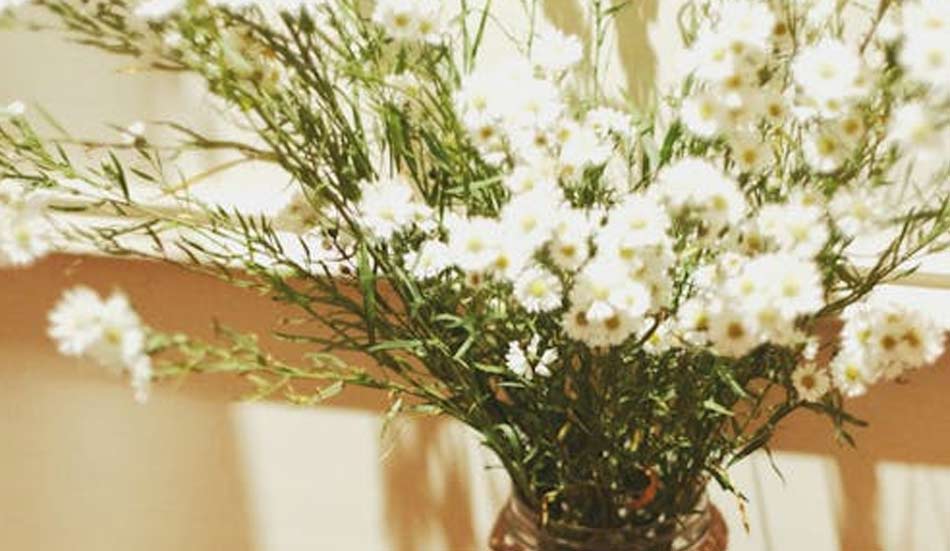
- Chamomile flowers are harvested early in the morning for optimal oil content.
Harvesting is often done by hand to preserve the delicate structure and quality of the plant.
Drying and Preserving the Goodness
After harvest, herbs are carefully dried to lock in their potency. Air-drying in shaded, well-ventilated spaces is a traditional method that preserves flavor and medicinal value. Some herbs are dehydrated using low-heat ovens or solar dryers. Once dried, they are stored in airtight containers away from light and moisture to retain their healing power.
From Plant to Product
Once dried and preserved, herbs are transformed into various remedies. Common uses include:
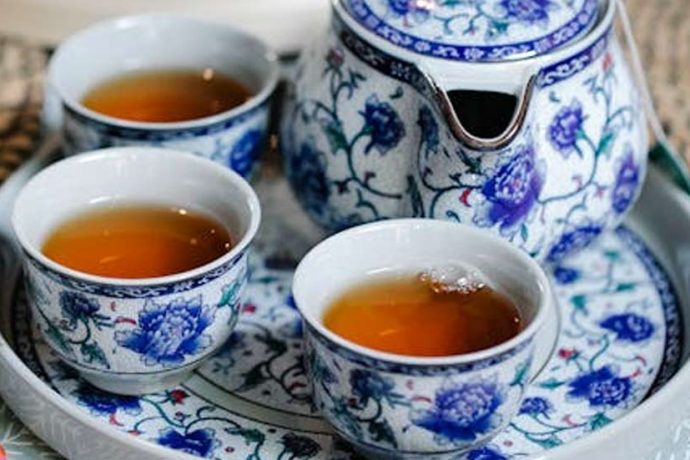
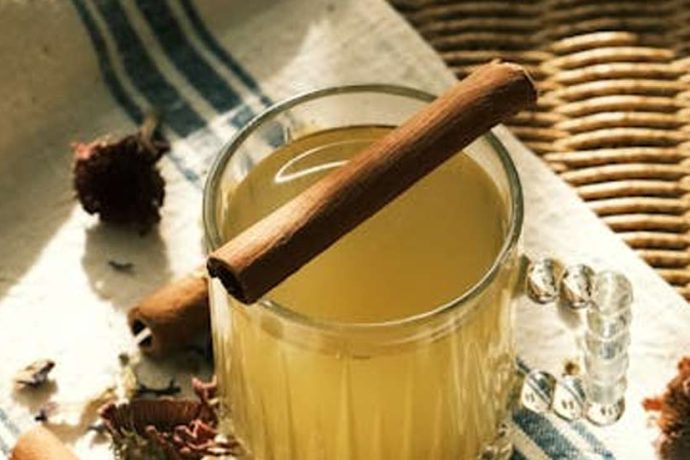
- Infusions and teas – ideal for gentle, daily use.
- Tinctures – concentrated herbal extracts in alcohol or glycerin.
- Capsules and powders – convenient forms for internal use.
- Ointments and creams – used for skin healing and inflammation.
- Essential oils – distilled for aromatherapy and topical applications.
These forms are chosen based on the plant’s properties and intended use. For example, herbs like turmeric and ginger are often powdered for internal support, while calendula is more commonly used in topical salves.
Why This Process Matters
Understanding how herbs are grown and processed helps you make informed decisions about the products you use. Look for suppliers who value sustainability, transparency, and traditional methods. Small-batch, handcrafted herbal products are often more potent and trustworthy than mass-produced ones.
Bringing the Garden to Your Wellness Routine
You don’t have to be a farmer to enjoy the benefits of this herbal journey. Try growing a few of your favorite herbs at home—like mint, lemon balm, or basil. Even a windowsill garden can connect you with the rhythms of nature and help you create your own simple remedies.
From seed to remedy, every herb carries a story of care, nature, and healing. Choose wisely and nurture your wellness with herbs that honor the earth.




Leave a comment