

Herbs vs. Spices: What’s the Difference and Why It Matters
When it comes to flavouring your food and boosting your health, herbs and spices play a powerful role in both your kitchen and your wellbeing. While many people use the terms interchangeably, herbs and spices are not the same—and understanding the difference can deepen your appreciation for their healing properties and help you make better choices in the kitchen.
At Health By Herbs, we celebrate both herbs and spices for their natural health benefits. Here’s everything you need to know about what sets them apart, and how to use them to enhance your meals—and your health.
What’s the Difference Between Herbs and Spices?
Herbs are typically the leafy green parts of a plant. Think of basil, parsley, oregano, thyme, and mint. They are usually used fresh or dried and added at the end of cooking to preserve their delicate flavor.
Spices, on the other hand, come from other parts of the plant—such as seeds, bark, roots, or fruit. Examples include cinnamon (bark), turmeric (root), cumin (seeds), and cloves (flower buds). They are typically more concentrated in flavour and used in smaller amounts.
Examples of Common Herbs
-
Basil – fragrant and slightly sweet, used in Mediterranean cooking
-
Mint – cooling and refreshing, great for teas and desserts
-
Rosemary – woody and earthy, perfect for roasted vegetables and meats
-
Coriander (leaf) – fresh and citrusy, used in Asian, Indian, and Latin cuisines
-
Thyme – subtle and floral, ideal for soups and stews
Examples of Common Spices
-
Cinnamon – sweet and warming, from the inner bark of a tree
-
Turmeric – earthy and bitter, derived from a bright orange root
-
Ginger – zesty and spicy, used fresh or dried
-
Cumin – smoky and nutty, used in curry blends and Middle Eastern cooking
-
Cloves – pungent and sweet, often used in baking or mulled drinks
Why the Difference Matters
1. Flavour and Cooking Time
Herbs are delicate and often added at the end of cooking to maintain their flavor. Spices are more robust and usually added early in the cooking process to release their oils and develop flavor.
2. Nutritional and Medicinal Properties
Both herbs and spices offer powerful health benefits, but their properties differ:
-
Herbs tend to be rich in chlorophyll, antioxidants, and vitamins (especially when fresh).
-
Spices are often potent sources of essential oils, anti-inflammatory compounds, and antimicrobial agents.
3. Preservation and Storage
Herbs have a shorter shelf life and should be stored in airtight containers away from light and heat. Spices, especially whole ones, can last longer and retain their potency for months or even years.
How to Use Herbs and Spices for Better Health
In Cooking:
-
Add fresh herbs like basil or coriander to salads and pasta.
-
Sprinkle dried oregano or thyme on roasted vegetables.
-
Use spices like turmeric and cumin in soups, stews, or scrambled eggs.
-
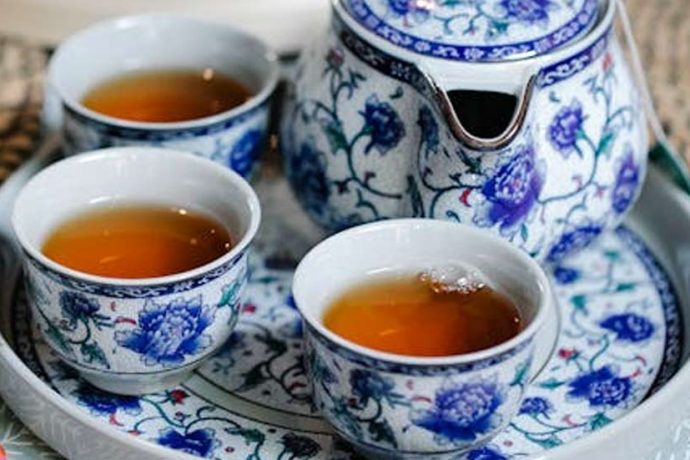
Brew cinnamon or ginger into warming herbal teas.
In Wellness Rituals:
-
Steep mint or chamomile for digestive relief.
-
Make a golden milk latte with turmeric, cinnamon, and black pepper.
-
Add rosemary or lavender to bath salts for a relaxing soak.
-
Create your own herbal spice blends for teas, tonics, and broths.
A Note on Quality
Whether you’re using herbs or spices, quality matters. Many supermarket versions are overly processed, irradiated, or stale. At Health By Herbs, we offer pure, potent, and carefully sourced herbs and spices so you can enjoy the full flavour and therapeutic benefits.
Final Thoughts
Herbs and spices are more than just flavour enhancers—they are ancient medicines, nutrient-rich superfoods, and tools for holistic living. Knowing the difference between them can help you use each more effectively in your kitchen and in your wellness routines.
Start small. Try adding one new herb or spice to your meals this week. Notice how your body feels. Pay attention to the aromas, textures, and energy they bring.
Explore our full range at Health By Herbs—where flavour meets function, and nature supports your journey to better health.






Leave a comment